Why Golden Grove Uses the Most Water in Tea Tree Gully (and 5 Ways to Cut Your Bill)
Here's a number that surprises most locals. In 2024–25, the average Golden Grove household used 253 kL of water , the highest of any suburb in the City of Tea Tree Gully. The council-wide average was 209 kL.
Some of that comes down to how Golden Grove is built. Around 85% of homes here are separate houses, most with three or four bedrooms and a garden to water. But bigger homes aren't the whole story. In our experience, a fair share of high water use comes from things you can't see: slow leaks, worn toilet valves, old fixtures and irrigation that runs longer than it needs to.
With SA Water's 2026–27 prices now in effect, it's a good time to look at where your water is going. Below we explain how your bill is worked out, then share five practical ways to bring your usage down.
How your SA Water bill works in 2026–27
SA Water charges residential customers a fixed supply charge of $352 a year (billed at $88 a quarter), plus a price for every kilolitre you use. That usage price rises in three tiers, based on your average daily use across the billing period:
- Tier 1: $2.520 per kL, for use up to 383.6 litres a day
- Tier 2: $3.597 per kL, for use between 383.6 and 1,424.7 litres a day
- Tier 3: $3.898 per kL, for use above 1,424.7 litres a day
A household using 253 kL a year averages close to 700 litres a day, which puts a good chunk of its water into Tier 2. That's the water that costs you most. As a rough guide, bringing a 253 kL household down to the council average of 209 kL would save around 44 kL, worth about $158 a year at the Tier 2 price.
1. Check for hidden leaks with a simple meter test
A leak doesn't have to be dramatic to be expensive. A dripping pipe under a slab, a weeping irrigation fitting or a cracked joint in the garden can run for months before anyone notices. Golden Grove's reactive clay soils make this more likely. SA Water describes clay soil movement as the key stress on underground water pipes in South Australia: the ground shrinks in hot, dry summers and swells with winter rain.
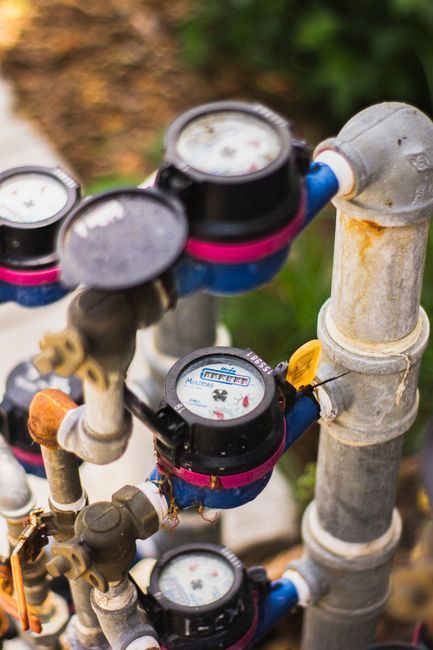
You can check for a leak yourself. Turn off every tap and water-using appliance in the house, including irrigation. Then read your water meter, wait an hour or two without using any water, and read it again. If the numbers have moved, water is escaping somewhere.
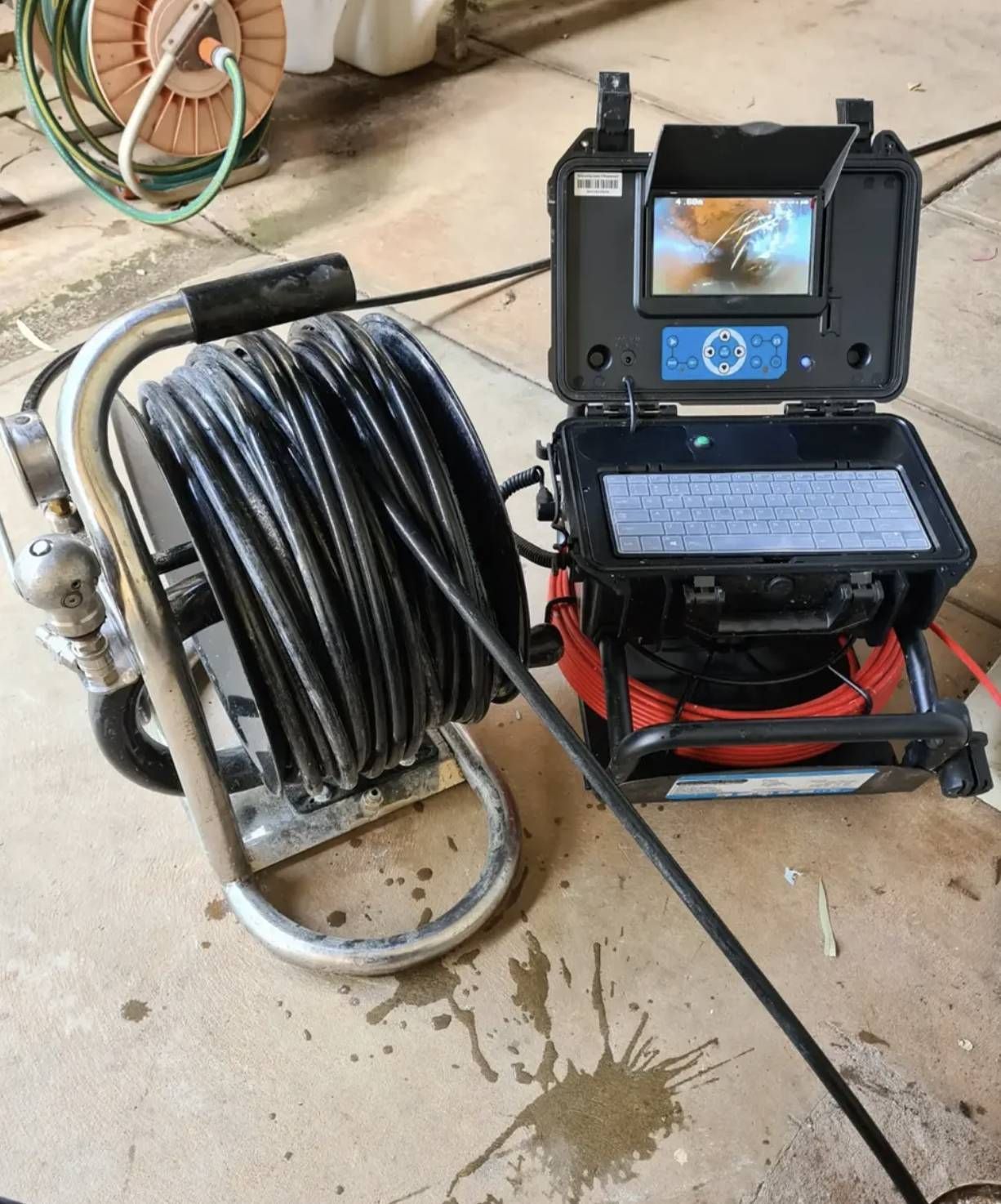
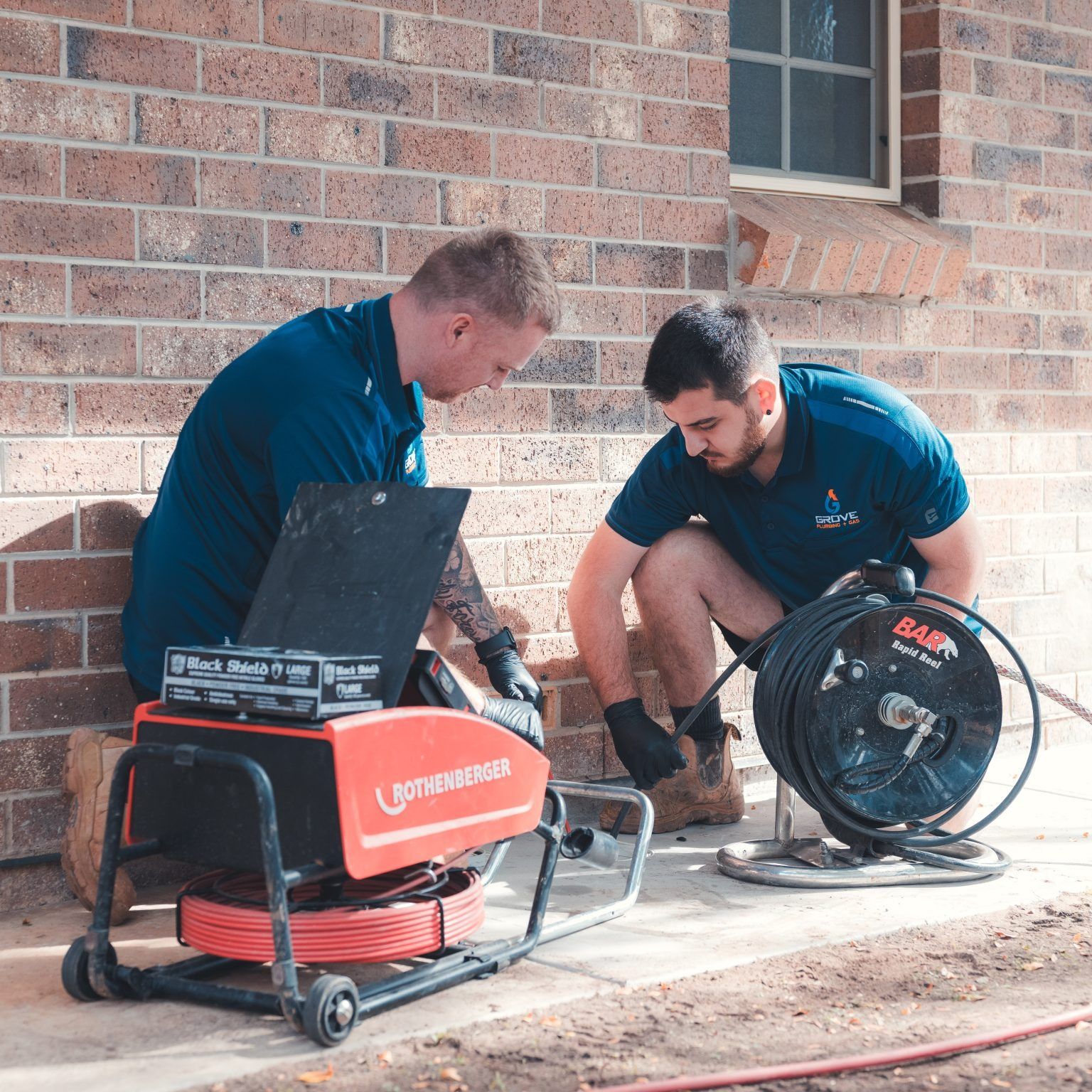
If your meter test points to a leak you can't find, our leak detection service uses modern diagnostics to pinpoint it without digging up your yard.
2. Fix running toilets and dripping taps
A toilet that keeps trickling into the pan after a flush is one of the most common water wasters we see. Most of the time it's a worn inlet or outlet valve, which is a quick and affordable fix. To test yours, put a few drops of food colouring in the cistern and wait 15 minutes without flushing. If colour shows up in the bowl, the cistern is leaking.
Dripping taps and leaking shower mixers are worth fixing too. Each one is small on its own, but they add up across a household over a year.
3. Upgrade to water-efficient fixtures
If your home still has its original showerheads, tapware or toilets, upgrading can make a real difference. Look for products with a higher star rating on the WELS (Water Efficiency Labelling and Standards) label. A modern efficient showerhead can still give a good shower while using noticeably less water than an older model.
Showers are one of the biggest daily water uses in most homes, so if you only change one thing, start there.
4. Put a rainwater tank to work
Many Golden Grove homes already have a rainwater tank, but not all of them are plumbed into the house. In South Australia, new homes must have a tank of at least 1 kL plumbed to a toilet, a water heater or all the cold water outlets in the laundry. Older homes can often be retrofitted the same way.
Connecting your tank to toilets and the laundry means rainwater does jobs you'd otherwise pay SA Water for. The work needs a licensed plumber, and a certificate of compliance must be completed once it's installed.
5. Get your irrigation under control
Parafield, the nearest Bureau of Meteorology station, averages just 444.5 mm of rain a year, so gardens here get thirsty. Irrigation is often where the biggest savings are. Check your controller hasn't drifted back to summer settings in winter, water early in the morning, and walk the system while it runs to spot broken sprinklers or split drip lines.
Have you checked your garden taps and irrigation fittings lately? Split fittings hidden under mulch are a common source of waste we come across on local jobs.
Talk to your local Golden Grove plumber
Using the most water in Tea Tree Gully doesn't have to mean paying the most. A quick meter test, a few repairs and some smart upgrades can bring your usage and your bill down. If you'd like a hand finding a leak, fixing a running toilet or connecting your rainwater tank, our licensed team at Grove Plumbing & Gas is based right here in Golden Grove.
Call us or get in touch online to book a visit.